Retail Partner Funnel
Building a company's first multi-location acquisition and attribution system.
Retail Locations
Shared Application
Backend Changes
Locations Successfully Attributed
Overview
Project Origins
This case study documents the design and implementation of a multi-location acquisition and attribution system built for a financial services retail network. Certain branding, naming, and identifying details have been anonymized for confidentiality.
System validation was confirmed through cross-source consistency between event tracking, CRM ingestion, and routing resolution.
The project began as an initiative to modernize and centralize the credit application flow across multiple retail partner locations. Each storefront previously operated with isolated application forms, resulting in fragmented data collection and inconsistent attribution.
The resulting architecture introduced the company's first shared acquisition layer capable of supporting dozens of retail locations through a single application experience.
System Flow
Customers initiated the application process by scanning a QR code displayed at participating retail locations. Each QR encoded a unique combination of partner and location identifiers, allowing every visit to carry its origin from the very first interaction.
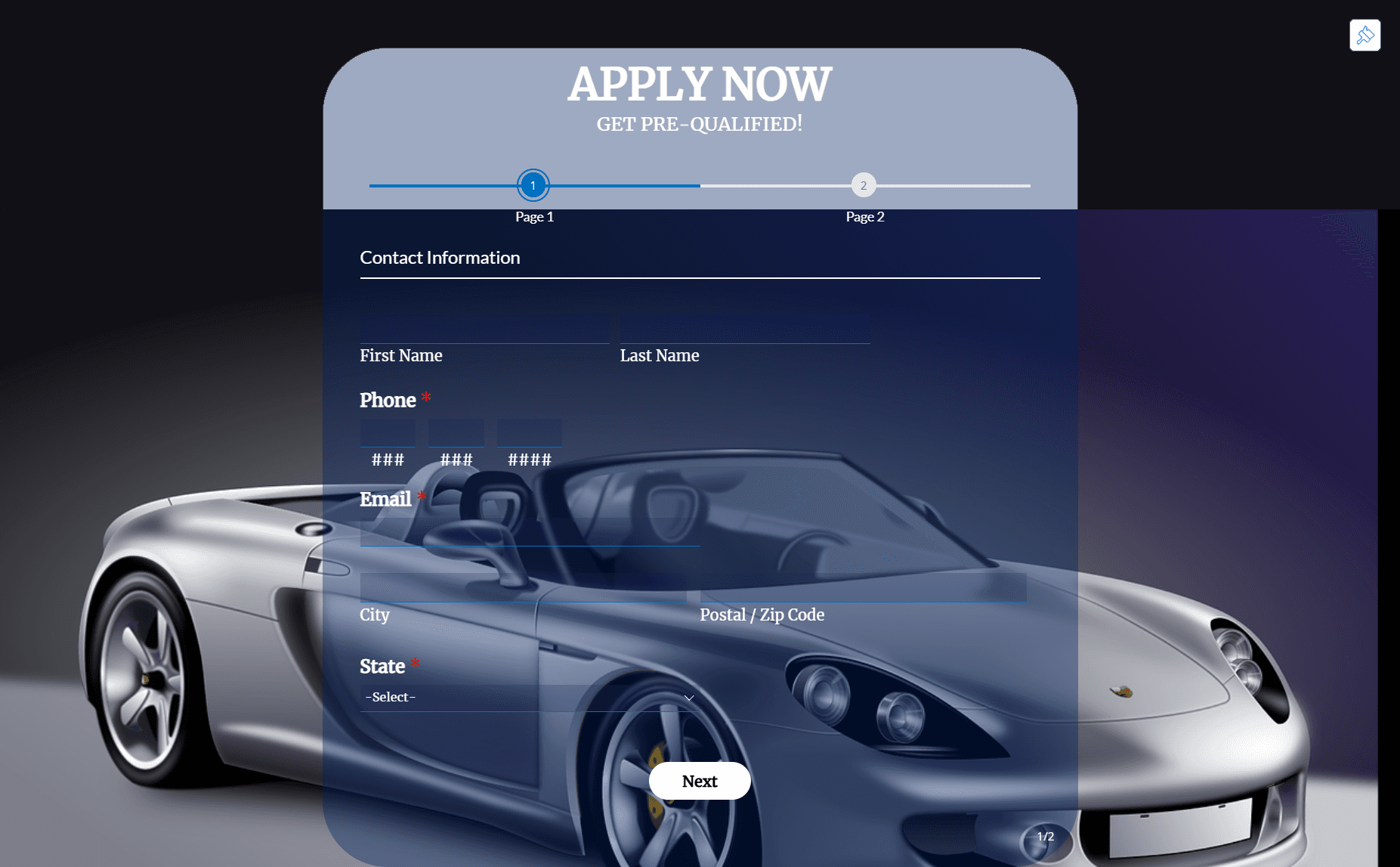
Upon arrival, a lightweight landing page extracted these parameters and dynamically injected them into the embedded application before submission. This allowed every completed application to be automatically associated with the correct retail partner and physical location without requiring manual selection or intervention.
Beyond simplifying the customer experience, this architecture established a reliable attribution layer while preserving the existing Zoho Forms to CRM integration, minimizing implementation effort and accelerating deployment.
Design Legacy
While initially scoped as a standalone implementation for a single sub-brand, this project introduced reusable patterns in attribution modeling, routing logic, and lightweight frontend architecture that continued to inform subsequent acquisition systems. These ideas were later refined and expanded in projects such as CLEX (see case study).
The Problem
The First Scalability Challenge
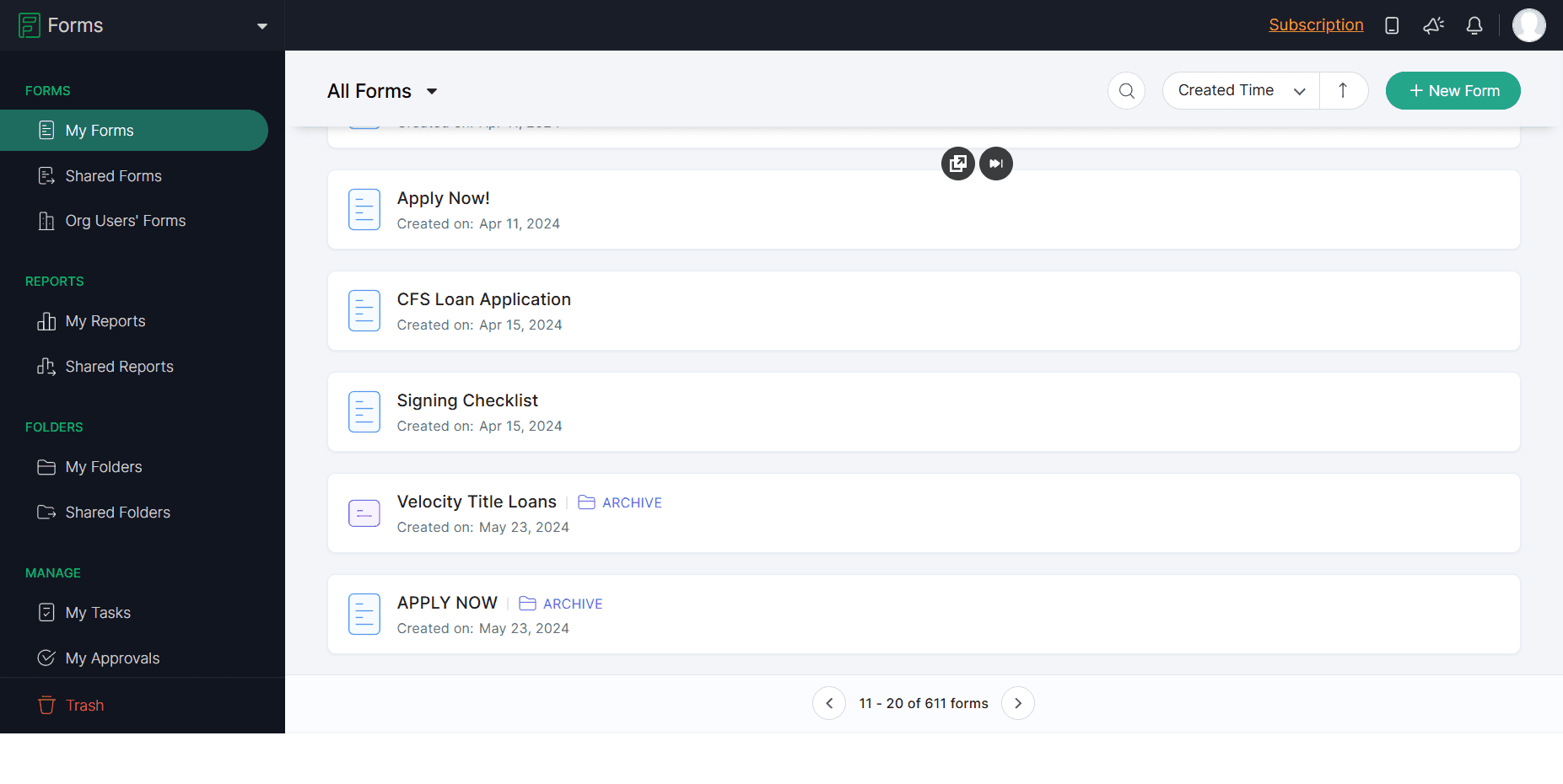
The existing acquisition process worked well while retail partners operated one or two locations. Attribution was achieved by assigning a dedicated application form to each partner, making the origin of every lead easy to identify.
That model stopped scaling when a new retail partner joined with more than 70 physical locations. A single partner was no longer enough to identify where an application originated, yet creating and maintaining a separate form for every store would dramatically increase operational complexity. The challenge was not collecting more applications. It was preventing operational complexity from growing alongside the retail network.
    "anh": {
      partner: "auto-international-insurance-agency",
      location: "Anaheim",
    },

    "apv": {
      partner: "auto-international-insurance-agency",
      location: "Apple Valley",
    },

     "bak": {
      partner: "auto-international-insurance-agency",
      location: "Bakersfield",
    },

     "bfl": {
      partner: "auto-international-insurance-agency",
      location: "Bakersfield 2",
    },
Initial Constraints
Rather than replacing the existing application pipeline, the objective was to extend it with minimal disruption. The solution needed to preserve the existing Zoho Forms to CRM integration while introducing reliable partner and location attribution across a growing retail network.
Maintain Existing Infrastructure
Reuse the existing application and CRM integration without introducing backend services or custom APIs.
Support Multi-Location Attribution
Distinguish dozens of retail locations while maintaining a single application experience.
Keep Deployment Simple
Allow new retail locations to be onboarded by configuring routing rules rather than duplicating application forms.
Evolving Business Requirements
Not every attribution field was available before deployment. The architecture needed to support incremental additions without requiring changes to the user experience or routing logic.
QR Delivery Constraints
Directly embedding full attribution parameters in QR destinations was not viable, as long or encoded URLs degraded scan reliability and created usability issues in real retail environments.
Taken together, these constraints reframed the challenge. The goal was no longer to build a new application, but to introduce the smallest possible architectural layer capable of making the existing system scalable.
The Solution
A Lightweight Architecture

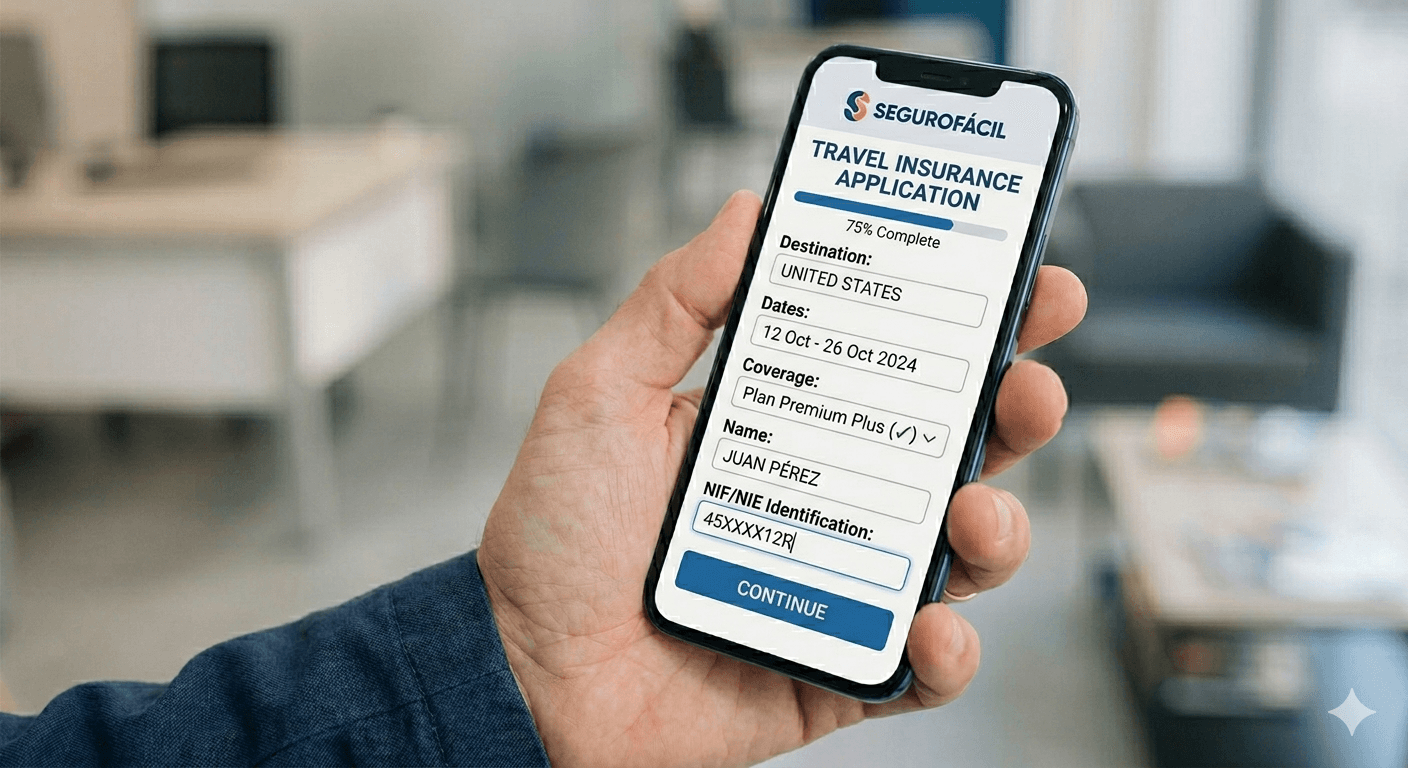
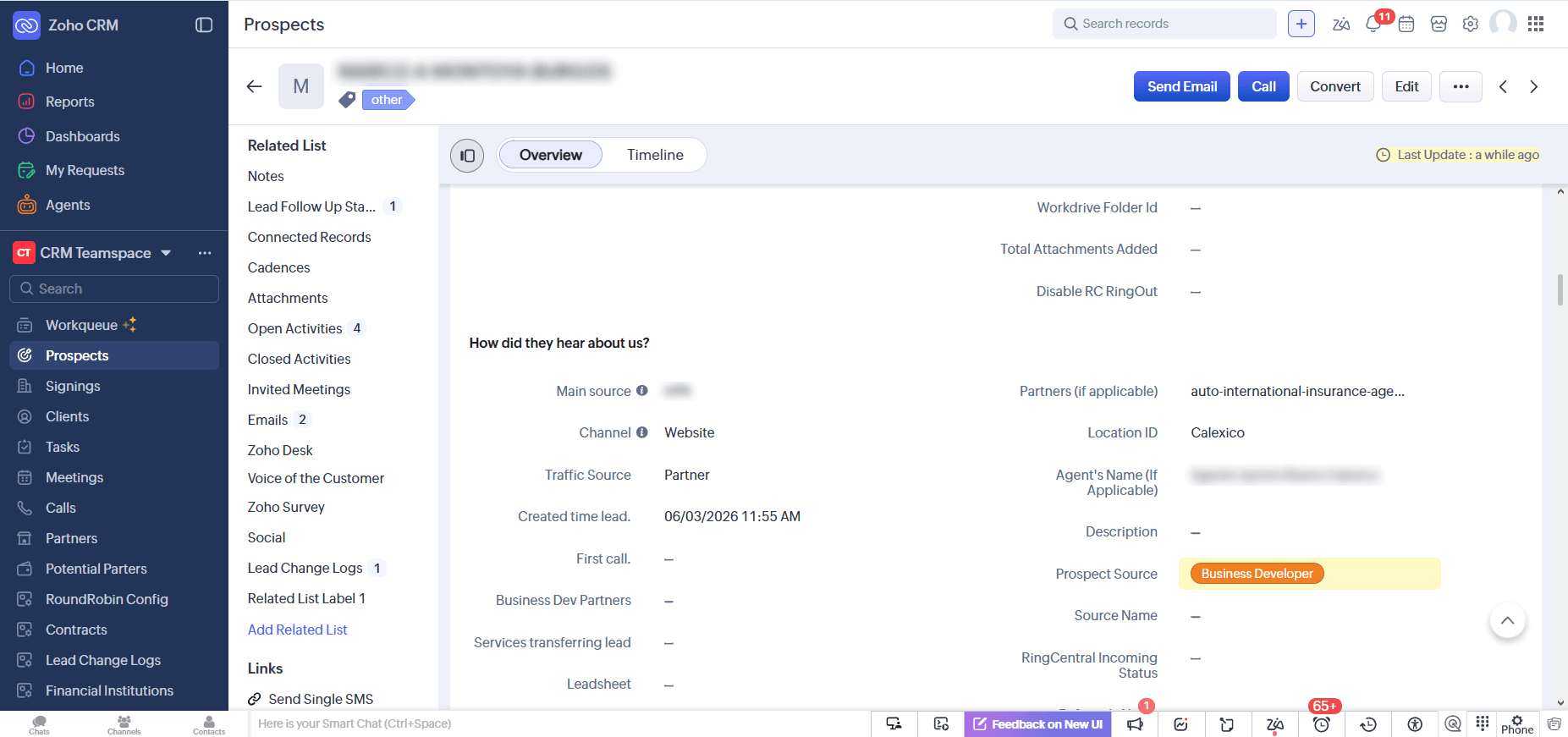
Rather than replacing the existing application infrastructure, the solution introduced a lightweight layer around it. This approach preserved the native Zoho Forms to CRM integration while adding routing, attribution, and analytics without requiring backend development.
Dynamic Attribution
Partner and location information was carried through URL parameters generated by the routing layer. Upon loading the application, these values were automatically injected into the embedded form, allowing every submission to retain its originating retail context.
  const routes = {
    "wgt": {
      partner: "auto-international-insurance-agency",
      location: "Wilmington",
    },
  };

  const path = window.location.pathname.replace("/r/", "").toLowerCase();

  const route = routes[path];

  if (route) {
    const url = `/?partner=${route.partner}&location=${encodeURIComponent(route.location)}`;
    window.location.replace(url);
  } else {
    window.location.replace("/");
  }
Progressive Application Experience
Instead of loading the application immediately, the interface presented a lightweight introductory layer. Selecting "Start Application" recorded the beginning of the funnel before dynamically loading the embedded form, improving perceived performance while enabling more accurate behavioral measurement.

application_start) before the form was rendered. (Click to expand)Analytics Integration
Key interactions were instrumented with custom GA4 events, providing visibility into application intent, progression, and completion. This transformed a previously opaque acquisition flow into a measurable funnel without modifying the underlying CRM integration.
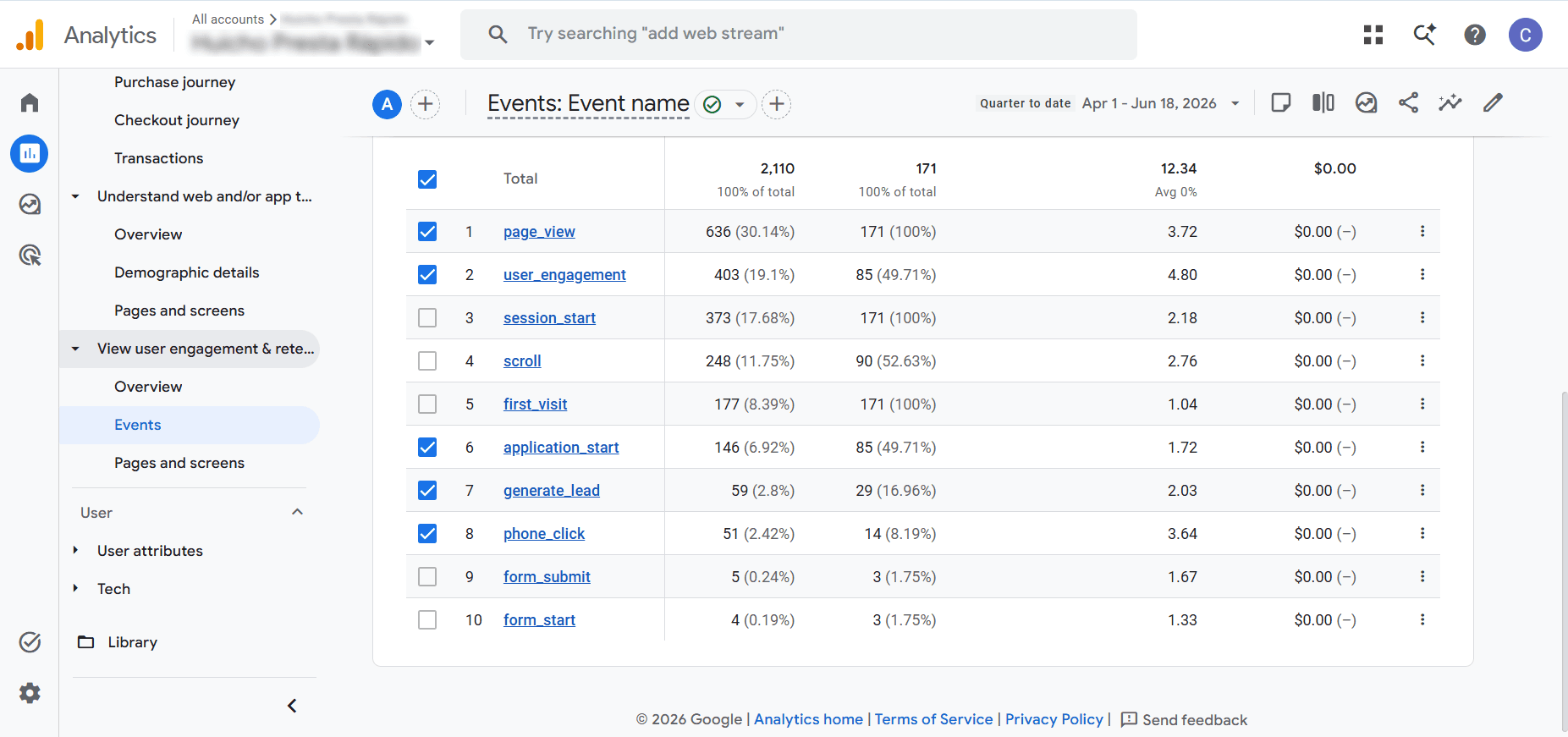
application_start captured user intent, generate_lead confirmed successful submissions, and phone_click tracked an alternative conversion path, providing end-to-end visibility into customer behavior. (Click to expand)The objective was not to replace the existing platform, but to extend it through a lightweight frontend layer capable of solving attribution and routing while preserving the existing backend workflow.
Technical Architecture
| Layer | Responsibility |
|---|---|
| QR Routing | Resolve the originating retail location |
| Redirect Layer | Translate route identifiers into partner and location metadata |
| Landing Experience | Present the acquisition flow and initialize the application |
| Dynamic Form Loader | Inject attribution parameters into the embedded form |
| Zoho Forms | Collect applicant information |
| Zoho CRM | Synchronize lead records through native integration |
| GA4 | Track funnel progression and behavioral events |
This layered approach kept each component focused on a single responsibility, making the system easier to maintain, extend, and scale as additional retail partners were introduced.
Operational Impact
| Capability | Previous Process | New System |
|---|---|---|
| Attribution | Manual / inconsistent | Automated partner & location attribution |
| Form Management | 71 independent forms | 1 centralized dynamic form |
| Analytics | Limited visibility | Funnel-level event tracking |
| Deployment | Manual updates across multiple forms | Single-point maintenance |
Production Validation
Production deployment confirmed that a single application experience could reliably support a distributed retail network without sacrificing attribution accuracy or operational simplicity.
Lessons Learned
What initially appeared to be a one-off implementation became an exercise in designing for future growth. Introducing routing, dynamic attribution, and a centralized application flow. This project changed the way I think about scalability. The challenge was never building a more sophisticated application, but introducing the smallest architectural layer capable of removing an operational bottleneck. That principle later became the foundation for larger acquisition systems like CLEX.
See Framework Evolution ↗