Multi-Brand Lead Identity System
A CRM-based identity resolution layer for multi-brand lead ingestion and lifecycle control.
Active Brand Entities
Inbound Source Mapping
CRM Identity Resolution
Cross-Brand Message Contamination
Overview
Project Origins
CFS operated four active lending brands that shared portions of the same CRM infrastructure. As the business expanded, independent APIs, legacy webhooks, and third-party automations accumulated without a unified identity model. Although customers entered through different branded experiences, that context was frequently lost before downstream automations executed.
 Champion
 Turbo Loan
 CLEX
CLEX Sister Brand
The objective was to introduce a brand-aware normalization layer inside Zoho CRM that preserved acquisition intent from ingestion through lifecycle automation, without requiring upstream system refactoring.
The Cross-Contamination Challenge
The Identity Breakdown in a Multi-Brand System
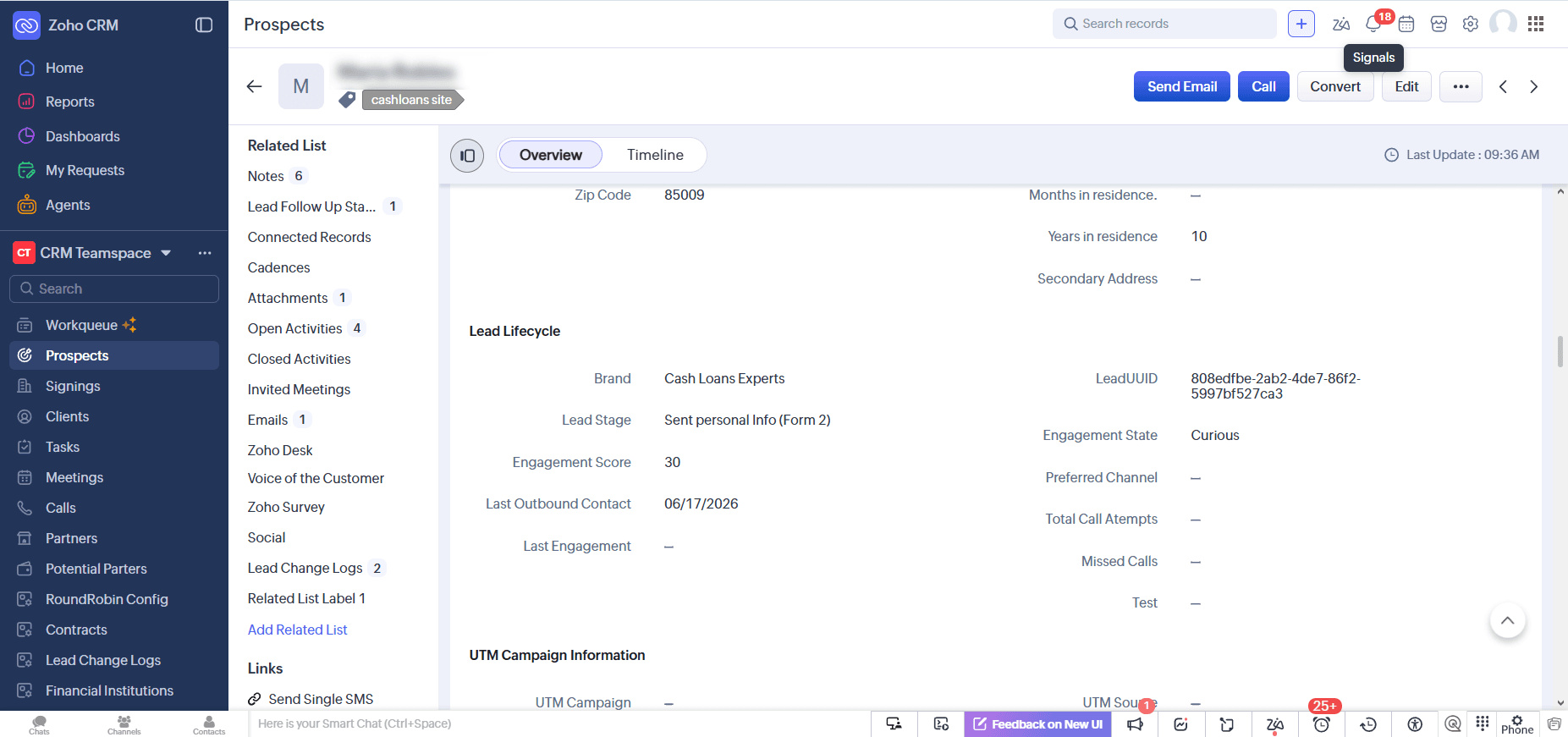
Historically, Champion Cash Loans functioned as the central operational hub for all acquisition flows. As additional brands were introduced (Turbo Loan, Cash Loans Experts, and others), new funnels were layered on top of existing infrastructure without enforcing strict data isolation.On the data side, the system accumulated multiple inconsistent “Main Source” labels across identical acquisition channels. This made it impossible to reliably segment leads by brand, breaking attribution, lifecycle analytics, and cohort-based reporting.


System Constraints
Immutable Upstream Systems
External APIs and third-party webhooks could not be modified in the short term without coordination across multiple vendor teams.
Zero Downtime Requirement
All changes needed to be deployed without interrupting live lead ingestion or delaying application processing.
Immediate Brand Resolution
The system needed to correctly classify, route, and act on leads within the first 7 days, where conversion probability is highest.
Strict Execution Ordering
Downstream automations depended on deterministic brand identification before triggering any communication or stage updates.
The Solution
A Two-Layer Normalization Architecture Inside Zoho CRM
Rather than modifying upstream integrations, I introduced a normalization layer inside Zoho CRM. A dedicated Lead Lifecycle field group became the system of record for Brand, Lead Stage, Engagement State, and communication history, allowing downstream workflows to operate on normalized data instead of raw inbound payloads.
Two-Stage Automation Design
- Stage 1: Source Normalization Layer | Incoming “Main Source” values are mapped into a canonical Brand field through a controlled classification layer.
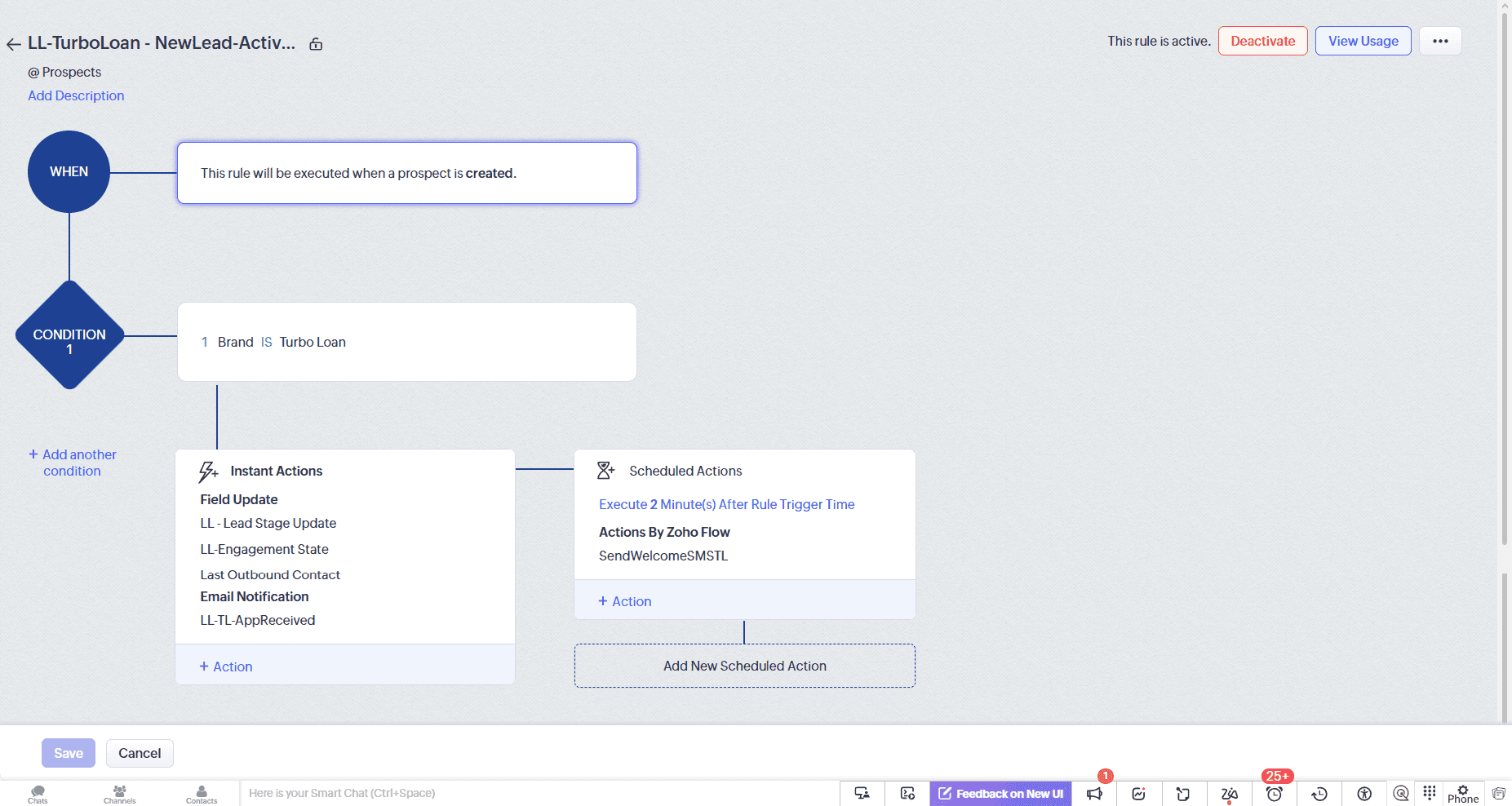
- Stage 2: Brand-Driven Lifecycle Execution | All downstream automations depend exclusively on the normalized Brand field, ensuring isolated workflows and correct transactional messaging.
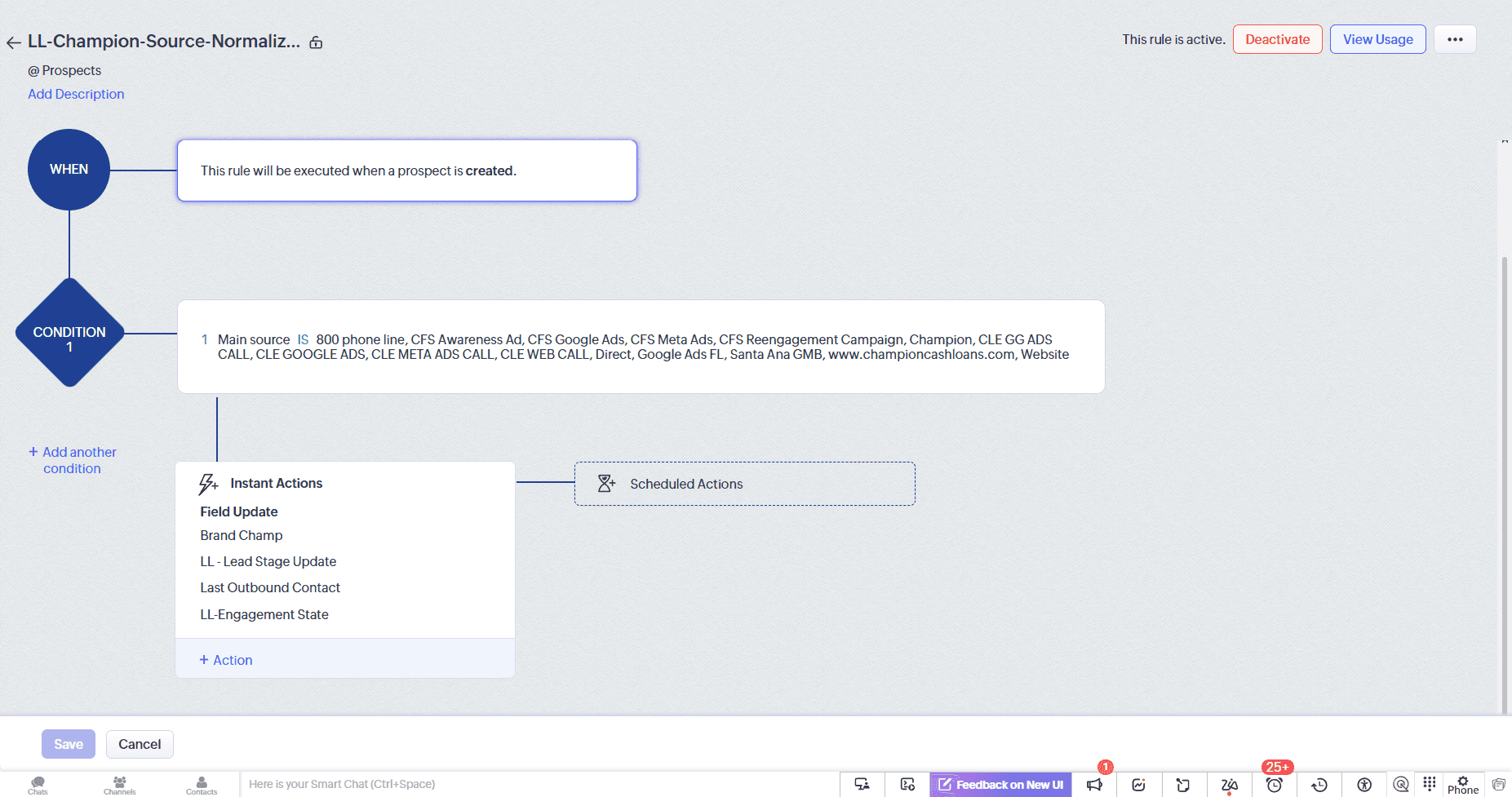
This separation ensured that no communication logic could execute before brand identity was explicitly resolved.
Operational Impact
Introducing a normalized identity layer shifted the CRM from passive record storage todeterministic workflow execution.
| Operational Domain | Legacy Behavior | Post-Normalization Behavior |
|---|---|---|
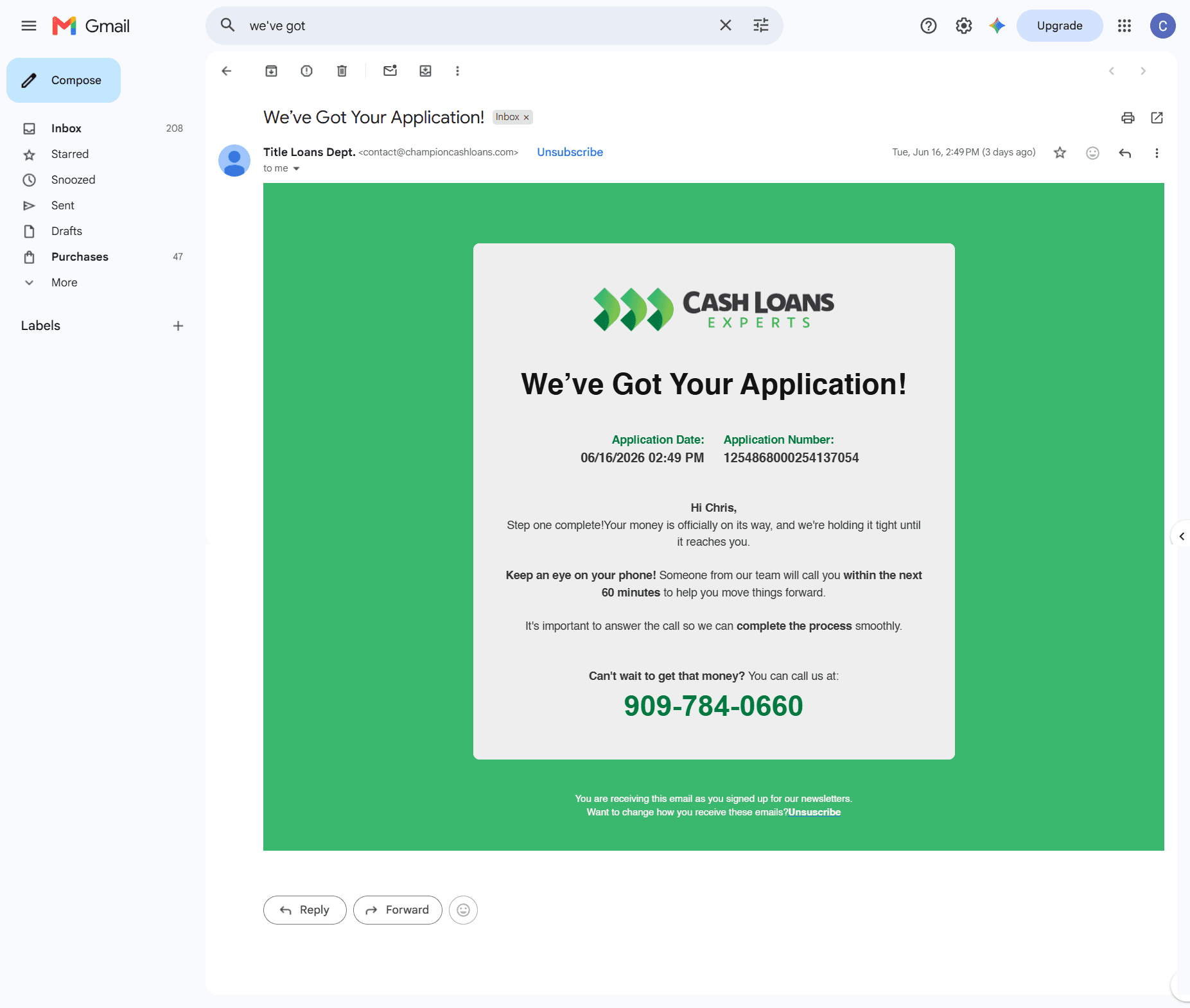
| Customer Communication | Brand identity was inherited from Champion by default, regardless of acquisition source. | Communications are dynamically resolved based on normalized Brand field, ensuring contextual accuracy per acquisition channel. |
| Data Integrity | Multiple conflicting “Main Source” values created ambiguous attribution across brands. | All sources are mapped into a canonical classification layer, enabling consistent segmentation logic. |
| Lifecycle Automation | Downstream workflows could execute before brand context was reliably established. | Execution order is enforced through a two-stage dependency model, eliminating race conditions in automation triggers. |
| System Observability | Lead journeys were opaque and difficult to trace across multiple automations. | Lifecycle stages are explicitly structured, improving traceability across ingestion, nurturing, and conversion phases. |
The most significant shift was architectural rather than cosmetic: the CRM stopped behaving like a passive database and began functioning as a controlled orchestration layer for identity resolution.
Lessons Learned
The project reinforced that most automation failures originate long before an email is sent or a workflow executes. Without a reliable identity model, downstream systems can only guess which logic should run.
By resolving brand identity immediately after ingestion, every subsequent automation inherited consistent context. The CRM evolved from a passive data store into an orchestration layer capable of supporting future multi-brand integrations with minimal additional complexity.